Napheesa Collier Gets Honest on CBA Delay Ahead of Approaching Deadline
via Imago
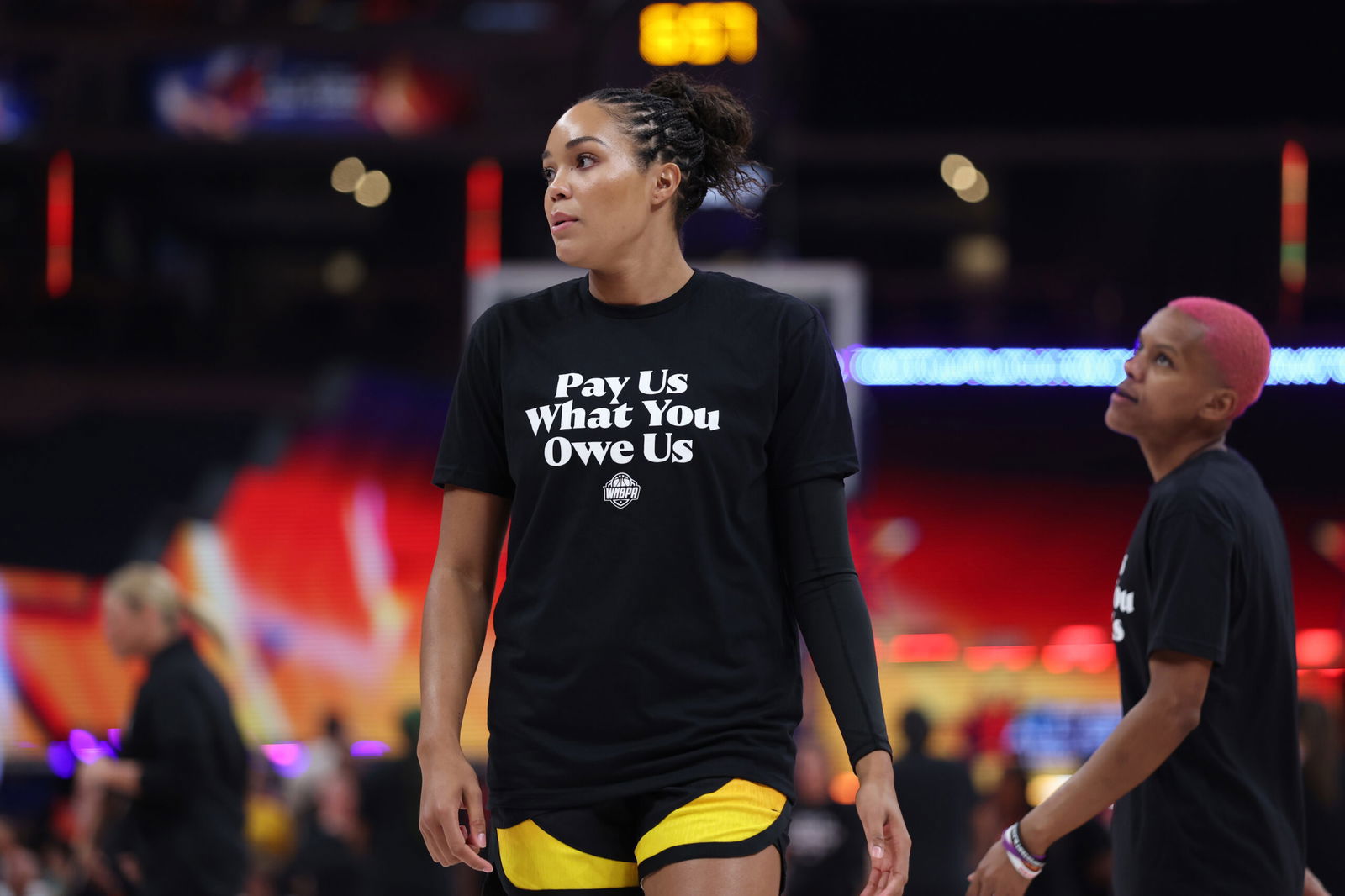
Jul 19, 2025; Indianapolis, IN, USA; Team Collier forward Napheesa Collier (24) looks on before the 2025 WNBA All Star Game at Gainbridge Fieldhouse. Mandatory Credit: Trevor Ruszkowski-Imagn Images
The co-founder of Unrivaled, Napheesa Collier, has some things to say about the CBA that expires on Jan 9th.
Having to sit out due to her ankle injury, Phee is here to drop honest comments on the deadline that is fast approaching.
When asked for a recent update on CBA negotiations on January 5 during an episode of Good Morning America, she said, “We’re a little bit at a standstill. You know, our timeline is coming up in a couple of days. It’s going to expire.”
She added, “But I think we’re just excited to show at Unrivaled that it is possible to pay the players and create a successful business. And that’s what we hope to do in the WNBA as well.”
Well, these conversations aren’t new for Phee. Ever since the semifinal loss, she’s been the talk of the town for criticizing the WNBA and its leadership. As a part of the WNBPA, she’s consistently keeping track of negotiations too. So when she said it’s at a standstill, it might be a warning of a lockout.
Just last month, WNBA players voted to authorize the WNBPA to “call a strike when necessary.” So far, the league has proposed a system where players would receive in excess of 70% of net revenue.
It includes a maximum $1 million base salary, with projected revenue sharing that would raise player maximum earnings to over $1.3 million in 2026. That’s a lot compared to what players were getting before. Still…it isn’t enough for the players.
Where do the league and union stand stuck?
While the league has offered a revenue sharing of 15%, the WNBPA has proposed a 30% share. And that’s exactly what the league is unwilling to do. As per ESPN, the league believes the WNBPA’s demand would mean a $10.5 million salary cap and around $700 million in losses over the course of the agreement.
Such losses would harm the league’s financial health and would be more than the combined losses of the league and its teams in the last 29 years. While we’re still unclear about where things stand, the league’s response cannot be ignored.
That’s because 12% of the WNBA’s shares are held by private firms, 42% by the NBA, and the rest by the WNBA itself. So it might be difficult to offer players what they’re asking for.
However, if you ask the union, they don’t feel the same way.
“The players know the difference between doing business and creating clickbait.… The players want a meaningful share of the revenue they are creating. They want to be properly valued in these negotiations and this next CBA,” shared Terri Jackson five days ago with ESPN.
For the union, the revenue-sharing model they proposed still puts the league in a “profitable position,” and the projected loss figure is “absolutely false.” So that’s how the back and forth is going right now. Still… what do you think? Will the league and union come upon common ground before the January 9 deadline?
Written by

Yashika Dutta
Edited by

Oajaswini Prabhu